


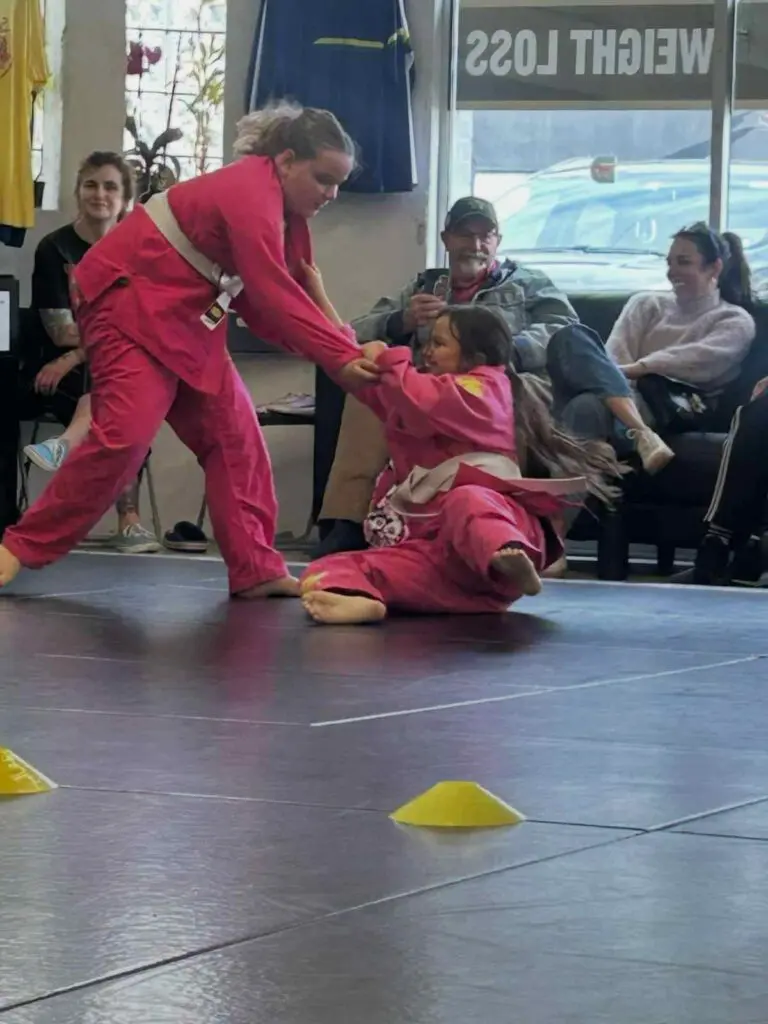
There is something that separates a good martial artist from a great one, and it has nothing to do with kicks or punches. Understanding martial arts etiquette for beginners is that missing piece. When you walk into a dojo for the first time, you bring your body, but you also bring your attitude. How you carry yourself, treat your training partners, and respect your instructor shapes everything about your journey.
These unwritten rules are the foundation of every great martial arts community.
We see many beginners focus only on learning new moves and building physical skills. But the dojo operates on a deeper code of conduct. Whether you are exploring martial arts training for beginners or preparing for your first class, simple acts like bowing, keeping clean gym clothes and gear, and never stepping on mats with shoes show respect to everyone in the room. Higher grades and black belts watch how newcomers behave.
They notice humility. They notice self-control. And they notice when a student checks their ego at the door and comes in with an open mind. These behaviors build trust, earn respect, and open doors with coaches and instructors faster than any skill level ever could.
We put together everything you need to know about dojo rules, partner etiquette, hygiene, and how to conduct yourself with confidence from your very first class. Read on, and we will walk you through it all.
Martial Arts Etiquette for Beginners: Core Training Rules
These beginner training rules keep sessions smooth and respectful.
Arriving on Time and Being Ready
Punctuality shows respect for instructors and classmates. When we show up late, we interrupt the flow of class. It also signals that we do not value other people’s time.
- Arrive early to warm up and prepare mentally.
- Never walk onto the mat without permission.
- Turn off your phone before class begins.
Stepping onto the mat without instructor permission is one of the most common mistakes beginners make. The mat is a training space that deserves respect. Always wait for a nod or a signal before entering.
Martial Arts Hygiene Every Student Must Practice
Martial arts hygiene protects you and your training partners. We work in close contact with others. That means germs, bacteria, and infections can spread fast if we are not careful.
- Trim your nails short before every class.
- Wash your uniform after each training session.
- Clean your gear to prevent skin infections spreading.
- Follow your school’s rules for training barefoot or wearing approved footwear.
Gym clothes and gear should smell clean at all times. Wearing dirty gym clothes is not just unpleasant. It is also a hygiene risk. Gym owners and students need everyone to do their part in keeping the space clean.

Martial Arts Partner Etiquette on the Mat
Partner work requires care, communication, and mutual respect. Our training partners are not opponents. They are the people who help us grow our martial arts skills every single day.
- Always ask before applying locks or chokes.
- Control your strength when drilling with a partner.
- Thank your partner after every training round.
- Martial arts partner etiquette prevents injuries and builds bonds.
Being cordial with teammates and coaches goes a long way. A simple “thank you” after a drill builds trust. Over time, that trust turns into real friendships. And those friendships make our martial arts learning much more enjoyable.
Martial Arts Training Etiquette During Sparring
Sparring follows specific rules to keep everyone safe. This is where ego and intimidation can become a real problem. We must check our ego at the door and approach sparring with an open mind.
- Tap early and tap often when in trouble.
- Never retaliate after a tap or pause signal.
- Match your intensity to your partner’s skill level.
- Good martial arts training etiquette earns you more partners.
Self-control is one of the most important traits we can develop. When we control our impulses and emotions during sparring, we become equipped to handle conflicts and challenges both on and off the mat. Traditional martial arts have always emphasized this kind of character development.
How to Speak and Behave Toward Instructors
Respect in martial arts starts with how we communicate. Our instructors pass knowledge down to us through years of dedication. That knowledge deserves our full attention and gratitude.
How we introduce ourselves to instructors and staff also matters. We should be polite, humble, and open. Whether you are visiting a local school or comparing martial arts classes in Dallas, paying attention to how instructors communicate expectations can help you understand the culture of the dojo. Respect for our instructors, coaches, and training community is a core part of beginner dojo conduct.
- Address your instructor by their proper title.
- Raise your hand before asking questions in class.
- Never correct your instructor publicly on the mat.
Respect in martial arts is not just a rule. It is a fundamental ethic that all grades must observe. When we treat our instructors with respect, we open doors to deeper learning. We also earn respect in return, which helps us grow faster as martial art students.
Common Mistakes Beginners Make With Etiquette
Avoiding these mistakes helps us fit in quickly. Many beginners do not even realize they are being disrespectful. But awareness is the first step toward better conduct.
The bow is one of the most common gestures in traditional martial arts. It symbolizes humility and acknowledges our training partners and instructors. Skipping the bow sends the wrong message entirely.
- Talking during demonstrations distracts the whole class.
- Showing off disrupts the group’s learning environment.
- Ignoring customary greetings or bows can come across as disrespectful.
- Martial arts etiquette for beginners means staying humble always.
Gym etiquette rules are not there to make our lives harder. They exist to protect everyone and create a positive community of martial artists. When we follow these rules, improvement comes faster. And our fellow training partners will enjoy working with us much more.

Start Your Martial Arts Etiquette for Beginners Journey the Right Way
Learning martial arts etiquette for beginners builds a strong foundation from day one. When we bow, keep our gear clean, and show respect to instructors and training partners, we create a better experience for everyone. These simple habits help us earn respect, grow faster, and feel welcome in any dojo.
Good conduct is not just about rules. It is about becoming a better martial artist and a better person.
Your next step is simple. Before your first class, review the basic dojo rules and arrive with clean clothes and the right mindset. Leave your ego at the door and approach every session with an open mind. Introduce yourself to your instructors and fellow students.
Ask questions when you need help. Small actions like these show respect and help you connect with your new martial arts community from the very start.